The global fashion landscape has undergone a profound structural shift, with online clothing stores moving from secondary retail channels to the dominant force in apparel shopping. What began as basic digital catalogs displaying standard t-shirts and simple accessories has transformed into an immersive, highly sophisticated retail ecosystem. Modern e-commerce platforms now integrate artificial intelligence, interactive sizing technologies, and virtual fitting features to deliver a personalized boutique experience straight to consumer screens.
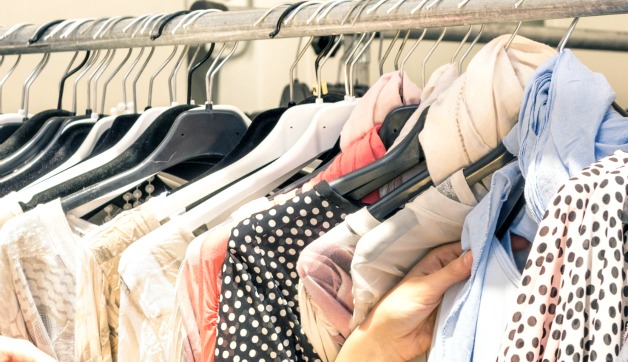
However, navigating the endless sea of online clothing stores requires more than just scrolling through curated photos. To build a functional, high-quality wardrobe while avoiding common digital shopping pitfalls, consumers must understand how modern online apparel platforms operate and how to evaluate garments from afar.
The Technological Innovations Powering Digital Apparel Retail
Shopping for clothes online used to involve significant guesswork regarding fit, fabric texture, and color accuracy. Today, digital clothing stores leverage advanced technological tools to eliminate friction and increase buyer confidence:
- AI-Driven Size Recommendation Engines: Rather than relying solely on static size charts, modern platforms utilize algorithms that compare a user’s specific body measurements, height, and fit preferences against historical return data and precise garment patterns to recommend the ideal size.
- Virtual Try-On and Augmented Reality: Advanced online stores allow shoppers to upload photos or use smartphone cameras to visualize how garments drape across different body types or how specific outfit combinations look in real-time.
- High-Definition Fabric Visualization: Top-tier online retailers now feature ultra-high-definition zoom capabilities, video catwalk clips, and detailed tactile breakdowns, enabling buyers to inspect seam construction, weave density, and stretch recovery before placing an order.
Essential Criteria for Evaluating Quality Online Clothing Stores
Not all online clothing stores operate with the same standards of quality, transparency, and customer care. When discovering a new digital boutique or fast-fashion platform, evaluating specific structural indicators can save you time, money, and frustration.
Detailed Fabric and Garment Specifications
A reputable online clothing store provides comprehensive technical details for every item. Look beyond vague marketing terms like “soft touch” or “premium feel” and search for precise fiber percentages, such as ninety-eight percent organic cotton and two percent elastane. Clear indications of fabric weight, lining materials, and garment care instructions signal that the retailer prioritizes transparency and product integrity.
Clear and Accountable Return Policies
Because online shopping eliminates the ability to try on garments prior to purchase, a fair return policy is essential. High-quality digital storefronts clearly outline return windows, shipping costs, and restocking fees. Be cautious of stores that offer only store credit instead of full refunds, or those that require customers to pay expensive international return shipping rates for defective or ill-fitting items.
Authentic Customer Reviews with Photo Proof
Customer feedback sections are invaluable tools for digital wardrobe building. Look for online stores that allow verified buyers to post real-life photographs, record their height and weight, and rate the garment’s true-to-size accuracy. Independent customer photos provide an accurate look at fabric movement, color representation under natural lighting, and overall garment construction.
Smart Strategies for Building a Digital Wardrobe
Shopping online makes it easy to succumb to fast-fashion trends and impulse buying. To make intentional purchases that align with your personal style and long-term budget, adopt a strategic approach to digital wardrobing.
Start by establishing a personal measurement profile. Keep updated records of your bust or chest, waist, hips, inseam, and shoulder width saved on your device. Comparing your actual measurements directly against a brand’s specific garment dimension chart yields significantly better results than relying on general S, M, or L designations.
Additionally, take advantage of digital wishlist tools to combat impulse spending. When you discover an appealing garment, add it to a saved collection and wait at least forty-eight hours before checking out. This cooling-off period allows you to evaluate whether the item genuinely fills a gap in your existing wardrobe or if it was merely an emotional reaction to effective digital marketing.
Finally, prioritize versatile wardrobe foundational pieces when shopping online. Items such as tailored blazers, structured denim, high-grade knitwear, and classic outerwear are ideal online purchases because their silhouette and styling options extend across multiple seasons.
Conclusion
Online clothing stores have permanently reshaped how we approach personal style, offering unprecedented access to global designers, sustainable labels, and niche fashion aesthetics. By leveraging modern sizing technologies, carefully inspecting garment specifications, and maintaining disciplined purchasing habits, you can confidently navigate the digital retail space. Mastering these online shopping strategies ensures that your virtual purchases translate into a durable, stylish, and well-fitting real-world wardrobe.