The fashion industry has experienced a massive shift over the past decade, reshaping how consumers interact with clothes shops. The traditional brick-and-mortar boutique is no longer just a place to pick items off a rack, pay at the counter, and leave. Instead, modern apparel stores have evolved into multidimensional spaces designed to offer immersive brand experiences, sustainable choices, and seamless digital integration.
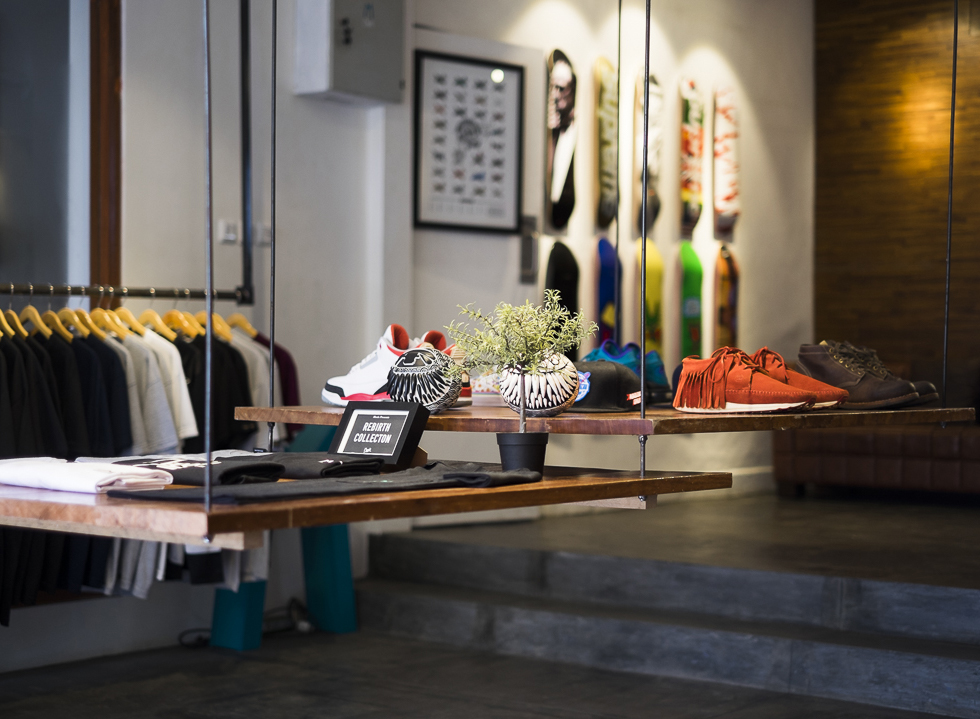
Whether you are looking to update your everyday wardrobe, source durable high-performance apparel, or curate a timeless capsule collection, understanding how different clothes shop formats operate can help you make smarter, more intentional purchasing decisions.
The Resurgence of Curated Independent Boutiques
In an era dominated by global mass production, independent clothes shops have seen a remarkable resurgence. Consumers increasingly value uniqueness, personal curation, and authentic storytelling over mass-produced fashion trends.
Independent boutiques offer several distinct advantages for discerning shoppers:
- Tailored Product Selections: Unlike large retail chains that stock identical inventory across hundreds of locations, local boutiques handpick garments tailored to specific community tastes and niche aesthetics.
- Personalized Styling Services: Boutique owners and floor staff often act as personal stylists, offering tailored recommendations on fit, color palettes, and garment care that large departmental stores rarely provide.
- Support for Emerging Designers: Small clothing stores frequently serve as launching pads for independent designers, making them ideal destinations for finding one-of-a-kind pieces that stand out from mainstream streetwear.
The Integration of Phygital Retail in Flagship Stores
Major fashion brands are redefining their physical clothes shops by blending physical infrastructure with digital convenience—a concept widely known in the industry as “phygital” retail. These flagship locations focus on interactive customer engagement rather than merely holding high volumes of inventory.
Modern flagship clothing stores now feature interactive fitting room mirrors that allow shoppers to adjust lighting, request alternative sizes with a touch of a screen, or instantly check inventory availability. Smart digital tags provide instant access to garment sourcing details, fabric compositions, and styling ideas via mobile devices. Furthermore, many high-street clothes shops now offer click-and-collect counters, enabling customers to order online and test the fit in-store before bringing items home.
Circular Fashion and Vintage Clothing Shops
Sustainability has shifted from a niche preference to a core priority for modern fashion consumers. As a result, secondhand, vintage, and resale clothes shops have moved into the retail mainstream.
Navigating circular fashion outlets requires a slightly different approach than shopping for new garments:
- Vintage and Thrift Stores: These shops offer high-quality garments from previous decades, often constructed with superior fabrics and tailored construction compared to modern fast fashion. Inspect seams, zippers, and fabric integrity carefully when shopping vintage.
- Consignment Boutiques: Consignment shops curate high-end designer items that have been pre-owned but carefully authenticated. They offer an accessible way to acquire luxury tailoring and durable leather goods at a fraction of original retail prices.
- Upcycled and Repair-Focused Outlets: An increasing number of innovative clothing shops now feature in-house alteration, repair, and upcycling stations, encouraging customers to mend or modify garments rather than discard them.
Smart Strategies for a Successful In-Store Shopping Experience
While online shopping offers convenience, visiting physical clothes shops remains the most reliable way to assess garment fit, fabric weight, and tactile quality. To get the most out of your next shopping trip, consider adopting a strategic mindset.
Start by prioritizing fabric quality over temporary design trends. Natural fibers like wool, linen, organic cotton, and silk generally offer better longevity, breathability, and drape than synthetic blends. Always test the garment’s movement in the fitting room—sit, stretch, and check for tension along seams to ensure long-term comfort. Finally, build a relationship with staff at your favorite local shops; they can alert you to upcoming seasonal sales, restocks of staple items, or private shopping events.
Conclusion
The world of clothes shops is richer and more varied than ever before. From tech-enhanced flagship stores and hyper-curated local boutiques to sustainable vintage outlets, physical apparel retail offers valuable tactile experiences that digital screens simply cannot replicate. By understanding the unique strengths of each store format and focusing on fabric quality and fit, you can build a versatile, long-lasting wardrobe while supporting a healthier, more intentional retail ecosystem.