The way we consume fashion has undergone a radical transformation. What began as a simple digital catalog in the early days of the internet has blossomed into a multi-sensory, highly personalized, and globally connected ecosystem. Today, online clothing stores are not just platforms for transactions; they are style advisors, community hubs, and pioneers of sustainable technology. For the modern consumer, the digital storefront is the primary gateway to self-expression.
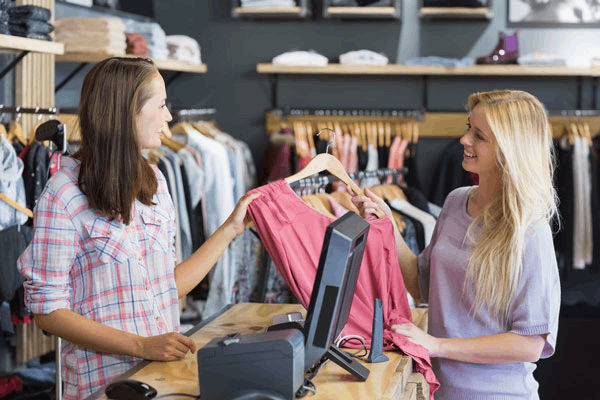
As we move through 2026, the boundaries between physical and digital retail have blurred. This article explores the current state of online fashion, the technologies making shopping more accurate, and how consumers can make more informed, ethical choices in a crowded marketplace.
The Rise of Hyper-Personalization and AI Stylists
One of the most significant shifts in the online clothing industry is the move away from “one-size-fits-all” marketing. In the past, shoppers had to scroll through thousands of irrelevant items to find something they liked. Today, sophisticated artificial intelligence algorithms have turned online stores into curated boutiques tailored to the individual.
Modern online retailers now utilize “Style Engines” that analyze your past purchases, browsing habits, and even the local weather in your city to suggest outfits. This isn’t just about showing you more of what you’ve already bought; it’s about predictive styling. If the algorithm detects a shift in seasonal trends or a change in your color preferences, it adapts in real-time. This level of personalization saves the consumer time and reduces “decision fatigue,” making the shopping experience much more enjoyable and efficient.
Virtual Try-Ons and the End of Size Guessing
For years, the biggest hurdle for online clothing stores was the “fit problem.” Inconsistent sizing across different brands led to high return rates, which were both costly for businesses and frustrating for customers. In 2026, the industry has largely solved this through Augmented Reality (AR) and Virtual Try-On (VTO) technology.
Many leading online stores now offer high-fidelity 3D body scanning or photo-to-avatar features. By simply using a smartphone camera, a shopper can create a precise digital twin. When you “try on” a jacket or a pair of trousers virtually, the software simulates how the fabric drapes, where it might be tight, and how it moves. This technology has significantly increased consumer confidence, as shoppers no longer have to order three different sizes of the same item just to ensure one fits.
The Shift Toward Sustainable and Circular Fashion
As environmental awareness reaches an all-time high, the online clothing sector has had to pivot toward more ethical practices. The era of “disposable fashion” is being challenged by a more conscious consumer base that demands transparency.
Transparency in the Supply Chain
Professional online retailers now provide detailed “Product Passports.” By clicking on a garment, shoppers can see the entire history of the item—where the cotton was grown, the conditions of the factory where it was sewn, and the carbon footprint of its journey to the warehouse. This data-driven transparency allows consumers to support brands that align with their personal values regarding human rights and environmental stewardship.
The Integration of Resale Markets
The “Circular Economy” is no longer a niche concept. Many major online clothing stores have integrated “Pre-Loved” sections directly into their main platforms. This allows customers to buy new items and, once they are finished with them, easily list them for resale on the same site. This ecosystem keeps clothing out of landfills and provides a more affordable entry point for high-end designer brands. By facilitating the second-hand market, online stores are taking responsibility for the full lifecycle of the products they sell.
Strategies for a Successful Online Shopping Experience
With so many options available, it is easy to become overwhelmed. To get the most out of your digital wardrobe building, consider the following professional tips:
- Know Your Measurements, Not Your Size: Since sizes vary wildly between international brands, keep a digital note of your actual measurements in centimeters and inches. Always refer to the specific “Size Guide” provided on the product page rather than relying on labels like “Medium” or “Large.”
- Read the Fabric Composition: A photo can be deceiving. Always check the material list. Natural fibers like wool, linen, and organic cotton often offer better longevity and breathability than cheap synthetic blends.
- Check the Return Policy for Sale Items: Many stores have different rules for discounted goods. Ensure that you can still return or exchange an item if the fit isn’t perfect, even if it was bought during a major seasonal event.
- Utilize Wishlists for Price Tracking: Instead of buying on impulse, add items to a wishlist. Many online stores will notify you when an item in your list goes on sale or is low in stock, helping you manage your budget more effectively.
Conclusion
Online clothing stores have evolved far beyond the simple convenience of home delivery. They are now sophisticated platforms that leverage cutting-edge technology to provide personalized, accurate, and ethical shopping experiences. From AR-powered fitting rooms to transparent supply chains, the industry is proving that fashion can be both high-tech and highly conscious.
As a consumer, the power is in your hands. By utilizing the tools and information now available at your fingertips, you can build a wardrobe that is not only stylish but also sustainable and perfectly fitted. The future of fashion is digital, and it has never looked better.
Would you like me to help you draft a specific “About Us” page or a set of “Product Descriptions” for an online clothing store to help boost its SEO?